2025/07/08
FLU VS COLD: HOW TO TELL THE DIFFERENCE AND GET THE RIGHT TREATMENT

When symptoms like a runny nose, cough, and fatigue set in, it can be difficult to determine whether you're dealing with a common cold or the flu. Although both illnesses affect the respiratory system, they have distinct differences in severity, symptoms, and treatment. Understanding flu vs cold symptoms and knowing the appropriate flu vs cold treatment can help you manage your illness effectively and recover faster.
FLU VS COLD: KEY DIFFERENCES
The common cold and influenza (flu) are both viral infections that affect the respiratory tract, but they are caused by different viruses. While the common cold is usually mild, the flu can be more severe and can even lead to complications such as pneumonia.120
How to identify your illness120:
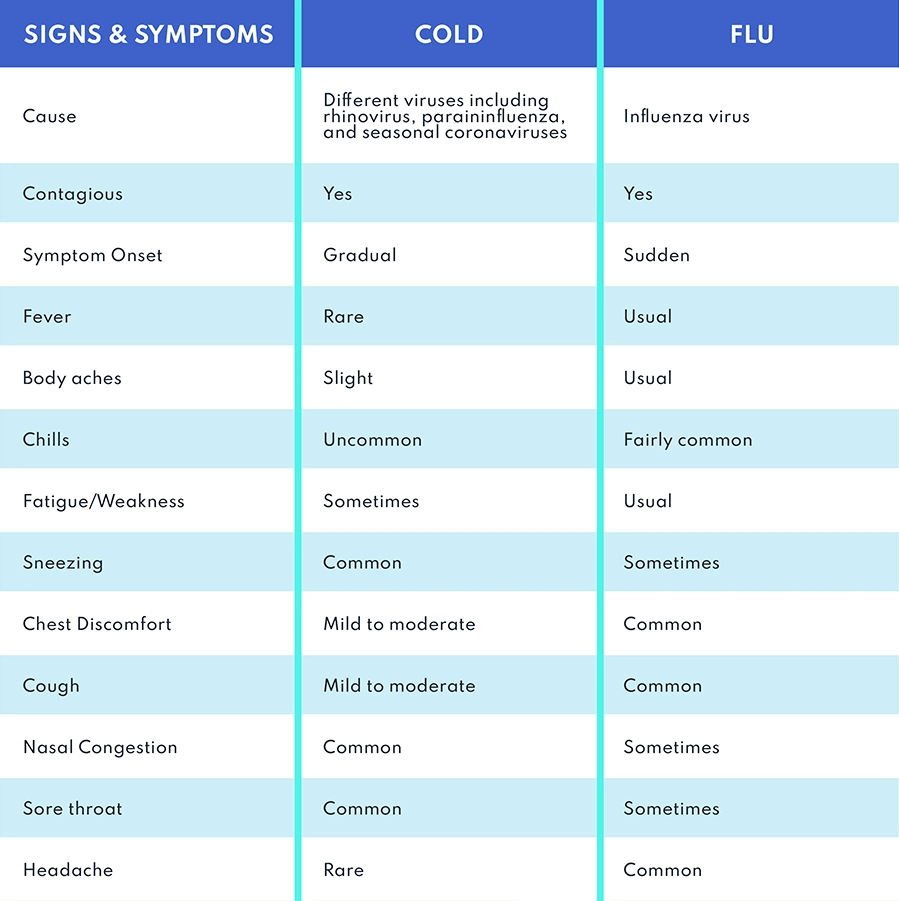
Recognising these differences allows for early intervention and proper flu vs cold treatment to prevent worsening symptoms.
FLU VS COLD TREATMENT: HOW TO RECOVER FASTER
Cold Treatment:
There is no cure for the common cold, but symptom management can help speed up recovery112:
- Hydration: Drink plenty of fluids to thin mucus and stay hydrated.
- Gargle with Salt Water: Helps reduce pain and swelling of a sore throat.
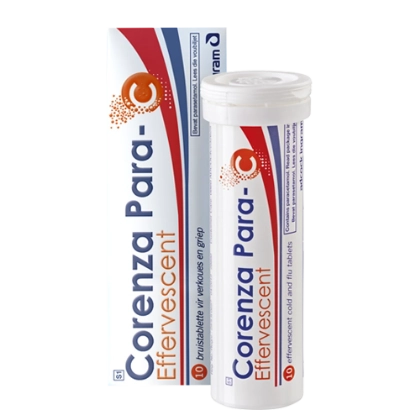
- Pain Relievers: Use OTC (over-the counter) products containing paracetamol and ibuprofen to help manage mild headaches and fever.
- Over-the-Counter Medications: OTC decongestants and antihistamines can reduce some cold symptoms.
- Humidify the Air: Dry nostrils are more prone to viruses, and if you're already sick, dry air can worsen a sore throat.
Flu Treatment:
Flu symptoms are more severe, and timely treatment is necessary to prevent complications121:
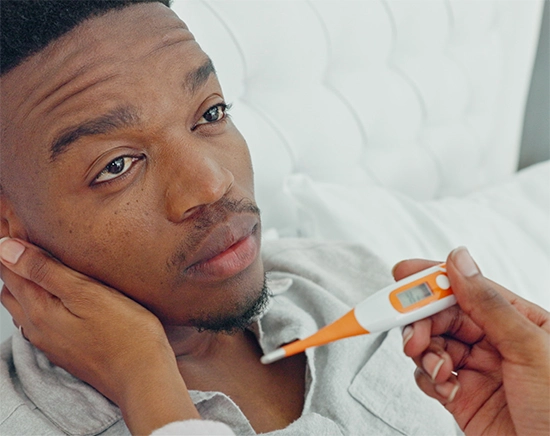
- Antiviral Medications: Prescribed by a healthcare professional, these may reduce severity and duration.
- Fever & Pain Management: Use over-the counter products containing paracetamol (analgesic and antipyretic) or ibuprofen (anti-inflammatory) to help manage pain, fever and muscle aches.
- Hydration: Drink water and warm fluids such as soups to keep the body hydrated.
- Rest: Take it easy and prioritise sleep for faster recovery.
If symptoms worsen, seek medical attention immediately.
PREVENTING COLDS AND FLU
The best way to avoid illness is to take preventative measures. Here are some essential steps:
- Get Vaccinated
- The flu vaccine is updated annually to protect against the most common flu strains. It is highly recommended for children, elderly individuals, pregnant women, and those with chronic illnesses.122
- Practice Good Hygiene
- Wash hands frequently with soap and water.122
- Avoid touching your face, especially your nose, eyes, and mouth.122
- Dispose of used tissues correctly.122
- Strengthen Your Immune System
- Eat a balanced diet rich in vitamin C (citrus fruits, green peppers, strawberries, tomatoes and sweet potatoes).93
- Stress weakens the immune system; reduce stress with relaxation practices such as yoga and meditation.93
- Ensure adequate sleep to help the body fight infections.93
- Avoid Close Contact with People Who Show Signs of Illness
- If someone at home has a cold or flu, maintain physical distance.122
WHEN TO SEE A DOCTOR
Adults should seek medical attention if the following is experienced123:
- Difficulty breathing or shortness of breath.
- Chest or abdomen pain or pressure.
- Dizziness that is sudden or severe, or fainting.
- Confusion.
- Vomiting that is severe or constant.
- Worsening symptoms after initial improvement.

FINAL THOUGHTS
Being able to recognise flu vs cold symptoms early can help you take the right steps for recovery. While the illnesses share similarities, the flu is generally more severe and requires closer attention. By understanding flu vs cold treatment, you can manage symptoms effectively and reduce the risk of complications.
Taking preventative steps - such as vaccination, proper hygiene, and maintaining a strong immune system - can significantly lower your chances of getting sick. If symptoms persist or worsen, consult a healthcare professional to ensure appropriate treatment and care.