2026/03/03
CAN COLD WEATHER REALLY MAKE YOU SICK? DEBUNKING COMMON WINTER HEALTH MYTHS

As temperatures drop, questionable facts about winter health tend to be on the rise. Each year, we might hear myths about colds like "Don't go outside with wet hair, or you'll catch the flu!" or "Staying indoors will keep you safe from winter illnesses." But how much of this is actually true? Debunking health myths to separate fact from fiction is a good way to stay informed about your health.
MYTH 1: COLD WEATHER ITSELF MAKES YOU SICK

The Truth: Cold weather doesn't directly cause illness. Viruses, not temperature, are responsible for colds and flu.124
However, cold air can weaken the immune system by drying out nasal passages, making it easier for viruses to enter the body. Additionally, people tend to stay indoors in winter, leading to closer contact and increased virus transmission.124
Winter Wellness Tip: Keep your immune system strong with a balanced diet, enough sleep, and proper handwashing to prevent infections.124
MYTH 2: GOING OUTSIDE WITH WET HAIR CAUSES A COLD
The Truth: Walking outside with wet hair may feel uncomfortable, but it won't give you a cold. Again, viruses cause colds - not cold, wet hair.125
However, feeling cold makes your body work harder to stay warm, temporarily lowering your immune system.125
Winter Wellness Tip: While wet hair won't make you sick, dressing warmly can help your body regulate temperature better.125

MYTH 3: YOU ONLY NEED TO WORRY ABOUT DEHYDRATION IN SUMMER

The Truth: Dehydration is commonly associated with hot weather, but winter dehydration is just as real.
Cold air is often drier, and indoor heating further reduces moisture levels, leading to increased fluid loss through respiration. People also tend to drink less water in winter as they don't feel as thirsty.126
Winter Wellness Tip: Drink plenty of fluids throughout the day, even if you're not sweating. Herbal teas and water-rich fruits like oranges can help maintain hydration.126
MYTH 4: THE FLU IS JUST A BAD COLD
The Truth: Although colds and flu share some symptoms, the flu is much more severe.
Flu symptoms include high fever, body aches, extreme fatigue, and a dry cough, whereas cold symptoms are milder and develop more gradually. Unlike the common cold, the flu can lead to serious complications such as pneumonia. 120
Winter Wellness Tip: The best protection against the flu is the annual flu vaccine.122

MYTH 5: CHICKEN SOUP CURES COLDS
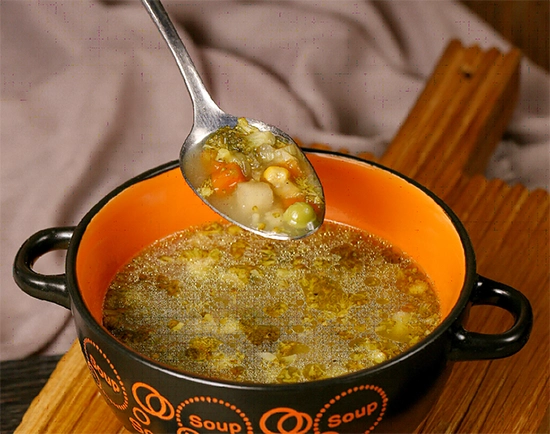
The Truth: While chicken soup won't "cure" a cold, it can provide benefits.
Warm broth helps with hydration and its ingredients contain nutrients to support your immune system. As an added bonus, the comfort of a warm meal can be soothing when you're sick.127
Winter Wellness Tip: For symptom relief, pair chicken soup with other strategies such as eating well and getting enough sleep.127
MYTH 6: YOU SHOULD AVOID EXERCISE IN COLD WEATHER
The Truth: Exercising in cold weather doesn’t increase your chances of getting sick. In fact, regular physical activity is associated with fewer cases of flu, pneumonia and even decreased mortality.128
Winter Wellness Tip: If it's too cold for your usual outdoor exercise, try winter-friendly indoor activities like squash, pilates, or the gym128

MYTH 7: ANTIBIOTICS CAN TREAT COLDS AND FLU

The Truth: Colds and flu are caused by viruses, while antibiotics only treat bacterial infections.
Taking antibiotics for a viral infection is not only ineffective but also contributes to antibiotic resistance, making bacterial infections harder to treat in the future.129
Winter Wellness Tip: Rest, hydrate, and use over-the-counter medications for symptom relief.129
MYTH 8: FEED A COLD, STARVE A FEVER
The Truth: When you're sick, your immune system requires extra calories to fight off infection and aid in recovery.130
Staying hydrated, however, is even more crucial than eating. Fevers can lead to dehydration, and colds depend on mucus to help expel germs.130
Winter Wellness Tip: Chicken soup is an excellent option, as it offers both calories and fluids to help the body battle illness.130

MYTH 9: DRINKING ALCOHOL WARMS YOU UP

The Truth: Alcohol may make you feel warmer temporarily by dilating blood vessels, but this actually causes your body to lose heat faster.131
This false warmth can increase the risk of cold exposure and other health issues.131
Winter Wellness Tip: Stay warm by layering clothing, and if you do drink, choose ones that aren't cold - and ditch the ice.131
MYTH 10: WINTER MEANS MORE VITAMIN D DEFICIENCY
The Truth: Reduced sun exposure in winter can lead to lower vitamin D levels, which is why some people might experience seasonal fatigue, muscle aches, and mood swings.132
However, foods rich in vitamin D, like fatty fish, egg yolks, and fortified dairy products, can help maintain adequate levels.132
Winter Wellness Tip: If you live in an area with long winters, consider a vitamin D supplement after consulting a healthcare provider.132
.webp)
FINAL THOUGHTS
Winter is full of misconceptions, but debunking health myths can help you make informed decisions about your health. The best way to stay in good health during colder months is to stay proactive by understanding myths about colds and recognising how lifestyle choices impact well-being.
The key takeaway? Cold weather doesn't make you sick - viruses do. Staying warm, boosting immunity, practising good hygiene, and taking preventive measures can keep you healthy all season long. And remember, if you do get sick, focus on rest, hydration, and symptom management to recover faster.