2025/08/27
HOW TO GET THROUGH ALLERGY SEASON WITHOUT THE SNEEZING FITS: EXPERT TIPS AND SOLUTIONS

ALLERGY SEASON AND ITS TRIGGERS
Allergy season typically peaks during spring and early summer when airborne allergens like pollen are at their highest levels, however, for some people, allergy symptoms exist year-round due to dust mites, mould, or pet dander.143 The most common seasonal allergens include136:
- Pollen: Released by trees, grasses, and weeds, triggering hay fever symptoms.
- Dust mites: Tiny creatures that thrive in bedding, carpets, and upholstery.
- Mold spores: Found in damp environments such as bathrooms and basements.
- Pet dander: Shed by furry animals and carried in the air.

These allergens can lead to symptoms like sneezing, itching, watery eyes.136
EXPERT ALLERGY TIPS FOR A SMOOTHER SEASON
Below are some expert allergy tips to help you through the sneezy season:

Checking daily pollen forecasts can help you plan your activities. On days with high pollen levels138:
- As much as possible, stay inside during peak pollen hours.
- Close windows and doors to reduce the amount of pollen that gets into your home.
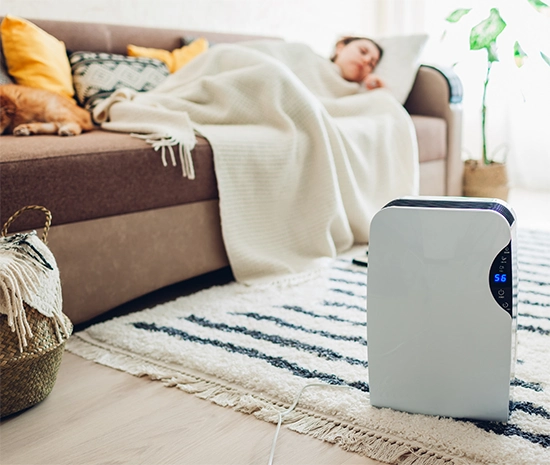
Creating an allergy-friendly home can significantly reduce your exposure to allergens138:
- Wash your bedding (in hot water) weekly to eliminate dust mites.
- Use allergen-proof pillows and bedding to prevent dust buildup.
- Keep humidity levels low with a dehumidifier to reduce excess moisture
- Get rid of carpets and upholstered furniture, where possible.
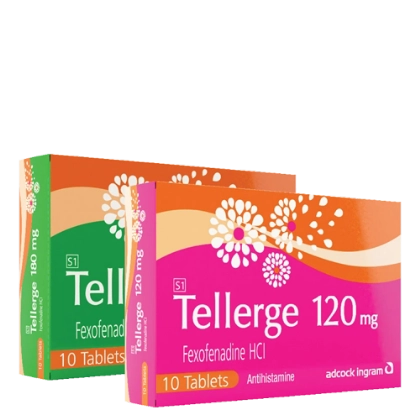
Several effective medications can help manage allergy symptoms during allergy season136:
- Antihistamines
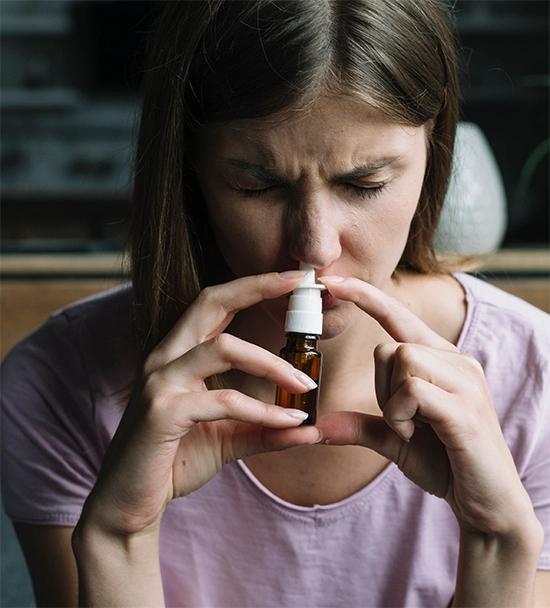
- Nasal sprays
- Decongestants
If symptoms persist, consult a healthcare professional about prescription-strength treatments.
Some natural remedies may provide relief alongside conventional treatments144:
- Saline nasal rinses clear allergens from nasal passages.
- Local honey (though not scientifically proven) is believed to help desensitise the body to pollen.
- Quercetin-rich foods (citrus fruits, broccoli and green tea) have natural antihistamine properties.

FINAL THOUGHTS
If allergy symptoms interfere with daily activities or lead to complications such as sinus infections or asthma flare-ups, consult a healthcare professional. They may recommend136:
- Allergy testing to determine specific triggers.
- Allergy shots (immunotherapy) to build long-term resistance.
- Prescription medications for more severe reactions.
WHEN TO SEE A DOCTOR
Seasonal allergies can cause a range of uncomfortable symptoms. If you think you may be experiencing them, it’s a good idea to consult your doctor. They can help determine the cause and suggest a suitable treatment plan. This often includes avoiding known triggers and may involve using over-the-counter or prescription medications.138
If your symptoms persist for more than a week or two, or if they recur around the same time each year, consider scheduling a visit with an allergist.136
SUFFERING FROM CONGESTION? FIND ANSWERS & RELIEF ON OUR SYMPTOMS PAGE!
EXPLORE BY PRODUCTS