2025/06/24
ALLERGY MYTHS DEBUNKED: WHAT REALLY WORKS FOR HAY FEVER AND ALLERGIC REACTIONS
Allergy season comes around every year, bringing with it the usual sneezing fits, watery eyes, and runny noses.136 But, just as common as the symptoms are the allergy myths that spread about what causes allergies, how to treat them, and what actually works. If you've ever searched "how do you get rid of hay fever" or questioned whether home remedies are effective, you're not alone. This article will separate fact from fiction and explore the best hay fever treatment options and ways to manage allergic reactions effectively.
MYTH 1: HAY FEVER IS CAUSED BY HAY
The Truth: Despite its name, hay fever has nothing to do with hay. The term originated in the 19th century when people believed exposure to freshly cut hay caused sneezing and congestion. In reality, hay fever (also called allergic rhinitis) is triggered by airborne allergens such as pollen.145
What Works: The best way to prevent allergies is by steering clear of allergens. Taking daily antihistamines or other medications can also help manage symptoms and lessen allergic reactions.136
MYTH 2: YOU OUTGROW ALLERGIES OVER TIME
The Truth: While some children do outgrow food allergies, seasonal and environmental allergies often persist into adulthood.146
What Works: Regular allergy testing can help identify any changes in your sensitivities.146
MYTH 3: MOVING TO A DIFFERENT PLACE WILL CURE YOUR ALLERGIES
The Truth: Some people believe relocating to a different region will eliminate their allergies. While moving may temporarily reduce exposure to certain allergens, new environments could also bring new allergens. For example, if you leave a region with high pollen levels, you may find yourself reacting to mould or dust mites in a humid area.146
What Works: Instead of packing up and moving, manage your allergies effectively by minimising your exposure and allergy-proofing your home.146
MYTH 4: ANTIHISTAMINES SHOULD ONLY BE TAKEN WHEN SYMPTOMS APPEAR

The Truth: It might make sense that allergy medications should only be taken after symptoms start. However, the opposite is true for antihistamines. Antihistamines work best when taken before exposure to allergens, as they reduce or block histamine release rather than just treating symptoms.147
What Works: If you have hay fever, start taking your medication 2-4 weeks before allergy season begins to minimise your symptoms before they become severe.147
MYTH 5: ALLERGIES AREN'T THAT SERIOUS
The Truth: While mild allergies can be managed easily, allergic reactions can sometimes become life-threatening, especially in cases of anaphylaxis. Severe reactions to foods, insect stings, or medications require immediate medical attention.148
What Works: If you have a history of severe allergic reactions, always carry an epinephrine auto-injector and wear a medical alert bracelet in case of emergencies.148
MYTH 6: ALL ANTIHISTAMINES MAKE YOU DROWSY
The Truth: Antihistamines alleviate hay fever symptoms by blocking histamine, a chemical released by the body when it thinks it's under attack from pollen. While it's true that drowsiness was a common side effect with older generation antihistamines, this isn't the case today.145
What Works: There are many non-drowsy allergy medications available, such as Allergex® Non Drowsy tablets and syrup.
HOW DO YOU GET RID OF HAY FEVER? PROVEN TREATMENTS THAT WORK
If you or a family member tend to struggle with seasonal allergies, here are the best hay fever treatment options:
- Antihistamines149
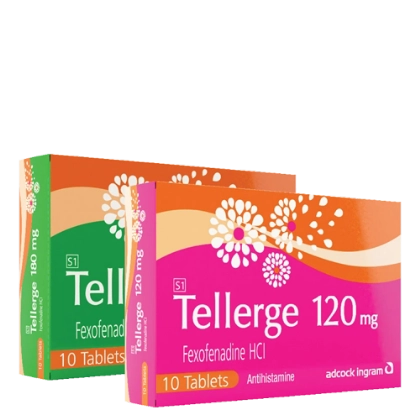
Antihistamines block histamine, the chemical responsible for allergy symptoms. They can come in tablet, liquid, and nasal spray forms.- Examples: Loratadine, fexofenadine, cetirizine.
- Steroids149
Medically known as corticosteroids, these reduce inflammation to prevent and treat nasal congestion. Steroids come in nasal sprays, tablet form, topical creams and even eye drops – depending on the allergy being treated.- Examples: Fluticasone, mometasone, budesonide.
- Decongestants149
Relieve nasal congestion by shrinking swollen blood vessels in the nasal passages.- Examples: Pseudoephedrine, oxymetazoline.
- Immunotherapy (Allergy Shots)149
Treatment that gradually desensitises the immune system to allergens, boosting your tolerance of allergy triggers.- Best suited for people who suffer with allergies for more than 3 months of the year.
MANAGING ALLERGIC REACTIONS EFFECTIVELY
If you experience allergic reactions or persistent hay fever, here's how you can handle them:
- Mild Reactions (Sneezing, Itchy Eyes, Hives): Antihistamines and cold compresses can help relieve symptoms.150
- Severe Reactions (Anaphylaxis, Swelling, Rapid Weak Pulse): Call emergency services immediately. Use prescribed medications such as an epinephrine auto-injector if necessary.150

WHEN TO SEE A DOCTOR
Managing hay fever treatment effectively helps you make sure that seasonal allergies don't disrupt your daily life. For people with allergies, being prepared with the right medication can save lives. Be aware of medical myths and be sure to look for accurate information and reliable solutions for lasting relief.
SUFFERING FROM SINUSITIS & ALLERGIES? FIND ANSWERS & RELIEF ON OUR SYMPTOMS PAGE!
EXPLORE BY PRODUCTS