2025/05/05
CHRONIC PAIN VS. ACUTE PAIN: UNDERSTANDING THE DIFFERENCE AND TREATMENT OPTIONS
Pain is a universal experience, but not all pain is the same. Some pain is temporary and short-lived, while other pain persists for months.198, 199 Understanding the difference between acute pain and chronic pain is crucial for managing it correctly and finding the right treatment. Pain can be caused by sudden injury, post-surgical pain, or a long-term condition like arthritis,199, and knowing how to manage it is important for recovery and overall well-being.
WHAT IS ACUTE PAIN?
Acute pain is intense, sharp, short-term pain that comes on suddenly, usually as a result of something specific. This type of pain comes on suddenly and typically lasts anywhere from a day to a few weeks and disappears as the underlying cause heals. 198
Common Causes of Acute Pain:
- Injuries – Fractures, burns, or cuts.199
- Surgery – Post-surgical pain.199
- Dental Procedures – Tooth extractions, root canals, or gum infections.199
- Infections from an open wound.198
- Pulling a muscle.198

How to Treat Acute Pain:
Treatment should focus on addressing the underlying cause while managing the temporary discomfort with198:
- Pain Relief Medication – Over-the-counter pain medications can help relieve mild to moderate acute pain.
- Cold or Heat Therapy.
- Rest.
WHAT IS CHRONIC PAIN?
In contrast to acute pain, chronic pain is long-lasting and persists every day (or most days) for three months or more and continues even after an injury has healed. Sometimes there is no clear cause.198,199
Common Causes of Chronic Pain:
- Arthritis – Ongoing joint pain and stiffness.199
- Migraines – Severe headaches that occur regularly.199
- Neuropathic pain – Damage or malfunction of the nervous system.201
- Fibromyalgia – Widespread pain and sensitivity in the muscles.199
- Chronic Back Pain – Often caused by poor posture, injuries, or degenerative conditions.199

Sometimes, chronic pain is the result of a previous injury or illness that has healed, but the nervous system remains active, continuing to send pain signals to the brain.199
1. PAIN RELIEF MEDICATION
Depending on the severity, chronic pain may be treated with over-the-counter pain relievers and muscle relaxants or, in some cases, steroids or prescription medication for nerve pain.198
2. NON-DRUG THERAPIES
For people that prefer drug-free relief, there are several non-medicinal treatments like physical and occupational therapy.201 Acupuncture is another alternative, while activities like yoga and tai chi work for some people.198
3. STRESS MANAGEMENT AND MENTAL HEALTH SUPPORT
Chronic pain may lead to anxiety, depression and/or insomnia, which can make managing it more stressful.198 A technique that may be helpful is Cognitive Behavioural Therapy (CBT) which can change how the brain perceives pain and can help manage the psychological impact of chronic pain.200
Did you know? Studies have shown that chronic pain and mental health can intensify one another.198 Managing stress effectively can help reduce chronic pain symptoms.
ACUTE VS. CHRONIC PAIN: HOW DO THEY COMPARE?

WHEN TO SEE A DOCTOR
While both acute and chronic pain can often be managed at home, certain pain symptoms may require medical attention. Seek help if:
- Pain worsens or returns after treatment.201
- You experience unpleasant side effects of your pain treatment.201
- Pain interferes with daily activities, sleep, or mental health.201
A doctor can help identify the cause and recommend the best pain management strategies.
FINAL THOUGHTS
Pain is a complex experience but understanding the difference between acute and chronic pain helps with planning the right treatment approach. Acute pain is short-lived, often improving with rest and medication. In contrast, chronic pain requires long-term management strategies, such as physical therapy and stress reduction techniques.
SUFFERING FROM PAIN? FIND ANSWERS & RELIEF ON OUR SYMPTOMS PAGE!
EXPLORE BY PRODUCTS
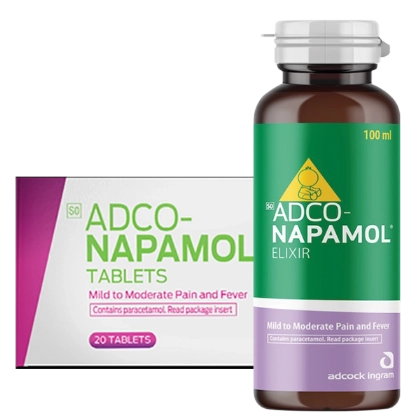
Adco-Napamol®