2025/10/10
POSTURE MATTERS: HOW SITTING TOO LONG CAN CAUSE CHRONIC PAIN
Modern life has made sitting for long hours a daily reality for many people; whether it's at a desk, behind the wheel, or relaxing at home. While sitting itself isn't necessarily harmful, prolonged sitting in poor posture can lead to pain, stiffness, and even long-term health issues.206 Many people don't realise that simple posture adjustments can help prevent pain and improve their mobility.
So, what is the correct sitting posture, and how does it impact our health? Let's explore why posture matters, the consequences of bad sitting habits, and what the benefits of a good posture are.
THE LINK BETWEEN POOR POSTURE AND CHRONIC PAIN
When you slouch or sit incorrectly for extended periods, it puts excessive strain on certain muscles and joints. This imbalanced pressure can cause joint stiffness and chronic pain - especially in the lower back and neck - and even have a negative effect on digestion.206

WHAT IS THE CORRECT SITTING POSTURE?
One of the best ways to prevent pain from prolonged sitting is by ensuring that you maintain the correct sitting posture throughout the day.
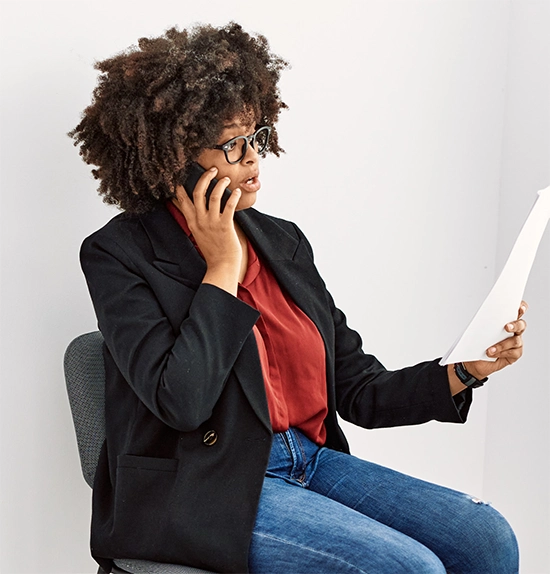
How to Sit Correctly for Optimal Posture:
- Keep feet flat on the floor or use a footrest.206
- Knees should be level with or slightly below your hips.206
- Sit back, keeping your lower back supported by the chair or a lumbar cushion.206
- Shoulders should be relaxed.206
- Sit up straight and look forward so as not to put strain on your neck.206
- If you're at a desk all day, keep your keyboard and mouse at arm's length, choose an ergonomic chair for back support, and consider a wrist pad and/or headset.206
Pro Tip: Adjust your desk height, chair position, and monitor level so that your eyes align with the top of the screen - this prevents tilting your head forward and neck strain.206
THE BENEFITS OF A GOOD POSTURE
Now that we know what the correct sitting posture is, let's explore why maintaining good posture is so important. The benefits of good posture extend far beyond pain prevention - it can improve overall health, energy, and confidence.207
- Reduces Pain
- Maintaining a neutral spine reduces unnecessary strain on muscles, ligaments, and spinal discs. It greatly reduces lower back pain and tension headaches caused by poor posture.207
- Improves Blood Circulation and Increases Energy
- Proper posture allows for better blood flow to muscles and organs where it can be used for energy, while improperly aligned bones and joints decrease muscle function, leaving you tired.207
- Enhances Breathing and Digestion
- Sitting up straight opens up the chest, allowing for deeper breathing.208
- Good posture prevents compression of internal organs, aiding digestion and nutrient absorption.208
- Prevents Long-Term Spinal Issues
- Good posture protects spinal discs and reduces the risk of degenerative conditions like herniated discs, sciatica, and chronic lower back pain.208
HOW TO BREAK THE HABIT OF BAD SITTING POSTURE
Maintaining good posture requires awareness, consistency, and a few small lifestyle adjustments. Here's how to build better sitting habits:
- Be Mindful - Regularly taking notice of your posture and adjusting frequently builds good habits.208
- Incorporate Movement Breaks - Stand up, stretch, or walk around regularly to reduce muscle stiffness.208
- Create an Ergonomic Workspace - A chair with lumbar support, a standing desk, having your screen at eye level, and your feet flat on the floor (or on a footrest) improves posture.208
- Strengthen Core Muscles - A strong core supports the spine, making it easier to maintain good posture.208
WHEN TO SEEK HELP FOR POSTURE-RELATED PAIN
While improving posture can prevent and reduce pain, some individuals may already experience chronic discomfort from years of poor sitting habits. If pain persists despite making changes, it may be time to consult a healthcare professional.
TREATMENT OPTIONS MAY INCLUDE:
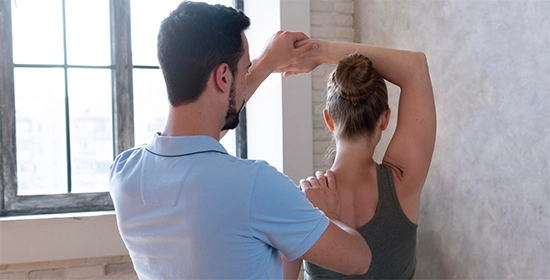
- Physical therapy - Exercises and stretches to correct postural imbalances.209
- Pain relief solutions - Over-the-counter or prescription pain medication and muscle relaxants can provide temporary relief.209
- Alternative medicine - Acupuncture, chiropractic care, and massage may ease back pain.209
FINAL THOUGHTS
Sitting may be unavoidable in today's world, but chronic pain doesn't have to be. By making small changes to your sitting posture, incorporating movement into your daily routine, and prioritising ergonomics, you can prevent long-term pain and improve your overall health.
Remember: Good posture isn't just about appearance - it's also a key factor in long-term pain prevention, energy levels, and overall well-being. Start making small adjustments today, and your body will thank you in the long run!
SUFFERING FROM PAIN? FIND ANSWERS & RELIEF ON OUR SYMPTOMS PAGE!
EXPLORE BY PRODUCTS
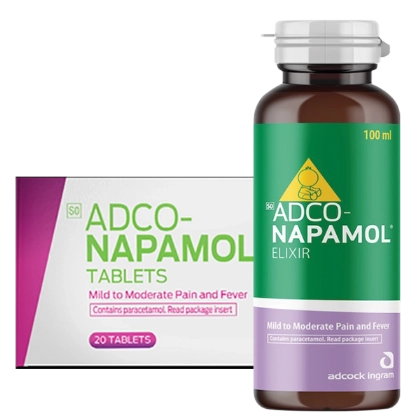
Adco-Napamol®