2025/10/02
STRETCHING VS. STRENGTHENING: WHICH EXERCISES HELP WITH PAIN MANAGEMENT?
Pain, whether from an injury, poor posture, or a chronic condition, can interfere with daily activities and reduce quality of life. But rather than stay still and only rest, movement can help work things out.210 Two key approaches to pain management involve stretching exercises and strengthening exercises – but which one is better?211
Stretching and strengthening both play an important role in recovery.211 Understanding how each type of exercise affects your body can help you determine which approach is best for different types of pain.
THE ROLE OF STRETCHING IN PAIN MANAGEMENT
Stretching exercises focus on improving flexibility, increasing range of motion, and relieving muscle tightness. This flexibility and wider range of motion not only allows you to do things with less pain, but being able to move more freely means you're less likely to injure yourself in future.211

How Stretching Helps with Pain Relief
- Reduces Muscle Tension – Consistent stretching helps improve mobility, reduce discomfort, and enhance recovery. Keep in mind that tight muscles struggle to heal and recover properly.211
- Improves Flexibility and Range of Motion – Greater flexibility reduces stiffness and allows for smoother, pain-free movement.211
- Enhances Blood Flow to Muscles – Increased circulation reduces swelling, speeding up recovery from soreness or injury.211
- Relieves Stress-Related Pain – Stretching promotes relaxation and reduces muscle tension.211
Best Stretching Exercises for Pain Management
- Hip Flexor Stretch – Relieves tension from prolonged sitting.212
- Cat-Cow Stretch – Reduces tension in the spine and improves blood flow to back muscles.212
- Pelvis Tint – Supports the spine by strengthening stomach muscles.212
- Superman – Improves spinal alignment.212
- Half Downward-Facing Dog – Enhances posture by opening the chest and shoulders.212
Include these stretches into your routine three times a week to help ease or prevent discomfort – little to no equipment is needed.212
THE ROLE OF STRENGTHENING IN PAIN MANAGEMENT
Strengthening exercises focus on building muscle strength, which supports joints, improves posture, and reduces strain on the body. Weak muscles can lead to instability and overcompensation by other muscles, which can increase pain and the risk of injury. Strength training helps correct these imbalances and provides long-term relief from pain by improving muscular support.211

How Strengthening Helps with Pain Relief
- Supports the Joints – Stronger muscles provide better support, reducing pressure on the joints.211
- Reduces Injury Risk – Strengthened muscles mean improved strength and balance.211
- Less Pain & Fatigue – A stronger core means more support for your back, reducing pain.211
- Recovery – Muscles and tendons heal quicker when your body is stronger.211
Best Strengthening Exercises for Pain Management
- Hip Bridge - Safer than planking, this exercise strengthens the back and core with less chance of injury.217
- Straight Leg Raises - Relieves knee osteoarthritis pain by building the quadriceps.217
- Standing Hip Abduction - Builds strength and stability in your hip muscles.217
When done correctly, strengthening creates a strong foundation, reduces discomfort and prevents pain from returning.211
STRETCHING VS. STRENGTHENING: WHICH ONE SHOULD YOU CHOOSE?
The best approach to pain management depends on the type of pain and the underlying cause. If pain is caused by stiffness or muscle tightness, stretching is the priority.211 If it results from muscle weakness or joint pain, strengthening exercises will provide longer-term relief.211
TIPS FOR SAFE AND EFFECTIVE PAIN MANAGEMENT THROUGH EXERCISE
Regardless of whether stretching or strengthening is the primary focus, proper technique is essential to avoid worsening pain or causing injury.
- Start Slowly – Begin with gentle movements and lower intensity before progressing.213
- Use Proper Form – Work with a professional if unsure about form.213
- Switch It Up – Alternate stretching and strengthening to optimise recovery.211
- Stay Hydrated – Water maintains muscle function, accelerates recovery, and eliminates toxins from the body213

FINAL THOUGHTS
When it comes to pain management, stretching exercises and strengthening exercises both play important roles. Stretching helps relieve muscle tightness and improve flexibility, while strengthening provides long-term support and injury prevention. The key is to understand the cause of pain and choose the right exercises to address it effectively. For many people, a combination of both stretching and strengthening is the best approach, allowing them to stay active, reduce pain, and prevent future discomfort. Incorporating these exercises into a daily routine can lead to better mobility, improved posture, and long-term pain relief.
SUFFERING FROM PAIN? FIND ANSWERS & RELIEF ON OUR SYMPTOMS PAGE!
EXPLORE BY PRODUCTS
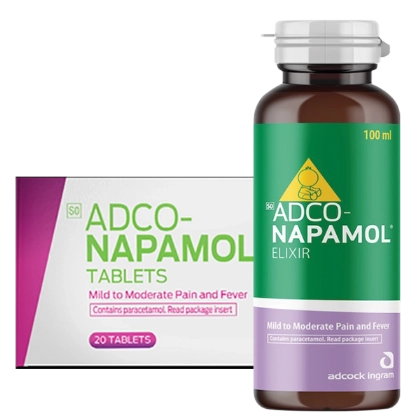
Adco-Napamol®