2026/02/10
WHAT'S TRIGGERING YOUR ALLERGIES? A GUIDE TO COMMON INDOOR AND OUTDOOR ALLERGENS
If you find yourself sneezing, coughing, or dealing with itchy eyes year-round, you may be sensitive to one or more allergens in your environment. Understanding allergy causes is the first step to managing symptoms and reducing exposure. Allergens exist all around us, making it important to identify outdoor allergens and indoor allergens that could be triggering your reactions.
In this article, we’ll break down the most common allergy triggers and provide practical solutions to help you breathe easier.
UNDERSTANDING ALLERGIES: WHAT CAUSES REACTIONS?
Allergies occur when the immune system overreacts to harmless substances, mistakenly identifying them as threats and releasing histamines in response.136 This reaction causes symptoms such as136:

- Sneezing
- Runny nose
- Red, watery eyes
- Skin rashes or hives
- Trouble breathing (in severe cases)
COMMON OUTDOOR ALLERGENS
Outdoor allergens vary by season and geographic location, but some of the most common include:
- Pollen
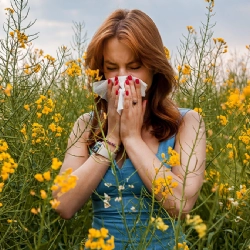
One of the most well-known allergy causes is pollen, which comes from trees, grasses, and weeds, and float in the air.136
- Spring: Cypress, Oak, Olive, Elm, and Rhus.151
- Grasses: Ryegrass, Winter grass, Bermuda, and Buffalo.151
- Weeds: English Plantain, Dandelion, Reeds, and Daises/Cosmos.151
How to Reduce Exposure:
- Monitor daily pollen forecasts and keep windows closed on high-pollen days.177
- Avoid gardening like mowing and weeding.177
- Rinse off and change clothes after spending time outside.177
- Mould Spores
Mould thrives in damp environments and releases airborne spores that can trigger allergies, especially after rainy weather.152How to Reduce Exposure:
- Avoid damp outdoor areas like leaf piles and compost heaps.152
- Wear a mask when outside.152
- Keep your indoor humidity low with a dehumidifier.152
- Insect Allergens (Bees, Wasps, and Fire Ants)
Some people experience severe allergic reactions (anaphylaxis) to insect stings or bites, and this often requires immediate medical attention.153 How to Reduce Exposure:
- Wear closed shoes when walking on grass and avoid bright-coloured clothing.153
- Keep food covered during picnics and don’t drink from open cooldrink cans.153
- Carry an epinephrine auto-injector if you have a known allergy to insect stings.153
COMMON INDOOR ALLERGENS
Many people with allergies stay inside when pollen levels are high, but dust mites, pet dander, and even cockroaches can also trigger issues indoors.142
- Dust Mites
Dust mites are microscopic creatures that live in dust and household objects like bedding and carpets.136How to Reduce Exposure:
- Wash bedding and stuffed toys weekly in hot water.142
- Use allergen-resistant mattress and pillow covers.142
- Keep surfaces clean and uncluttered, and vacuum frequently.142
- Pet Dander
Proteins in pet saliva, skin (dander), and urine can trigger allergies in some people.136
How to Reduce Exposure:
- Keep pets out of bedrooms and off furniture.143C
- Bathe and groom pets regularly.143C
- Regularly ash and change your animals’ bedding and toys.143C
- Mould and Mildew
Indoor mould grows in humid areas such as bathrooms and kitchens and other areas where there is a lot of water.142How to Reduce Exposure:
- Use dehumidifiers to reduce humidity.142
- Fix leaks and clean mouldy surfaces immediately.142
- Don’t run your shower for too long before bathing.142
- Cockroaches
The proteins in their faeces, spit, and shedding body parts can cause allergic reactions.154How to Reduce Exposure:
- Keep food contains and rubbish bins sealed.154
- Keep your house clean and avoid piles of newspapers, laundry and dishes.154
- Consult pest control services if necessary.154
HOW TO MANAGE ALLERGIES YEAR-ROUND
Since indoor allergens and outdoor allergens can be unavoidable, taking proactive steps is your best bet to reduce allergy symptoms. Here's how:
- Monitor Allergy Triggers
- Pay attention to when and where symptoms occur to try and pinpoint specific allergens.
- Keep a symptom diary to track flare-ups and identify patterns.
- Take Allergy Medications as Needed
- Antihistamines136
- Nasal Sprays136
- Decongestants136
- Allergy Shots (Immunotherapy)136
- Improve Indoor Air Quality

- Use HEPA (high-efficiency particulate) air filters to remove airborne allergens.136
- Keep windows closed during high-pollen seasons.142
- Regularly vacuum carpets to reduce dust and animal dander.136
- Strengthen Your Immune System
- Eat a balanced diet rich in fruits, vegetables, lean protein and whole grains to support immune function.85
- Regular exercise is important for overall health and immunity.85
- Make sure you get enough sleep so your immune system can work as it should.85
WHEN SHOULD YOU SEEK MEDICAL ADVICE?
If allergy symptoms continue despite taking preventive measures, and over-the-counter medicines aren’t easing symptoms, it might be time to consult a healthcare provider.
FINAL THOUGHTS
Identifying allergy causes is the first step in managing your allergies effectively. While outdoor allergens like pollen and mould are seasonal, indoor allergens like dust mites and pet dander can trigger symptoms all year. By understanding your specific triggers and implementing lifestyle changes, you can take control of your allergies.
If allergies continue to disrupt your well-being, consult an allergist for testing and personalised treatment options.
SUFFERING FROM SINUSITIS & ALLERGIES? FIND ANSWERS & RELIEF ON OUR SYMPTOMS PAGE!
EXPLORE BY PRODUCTS
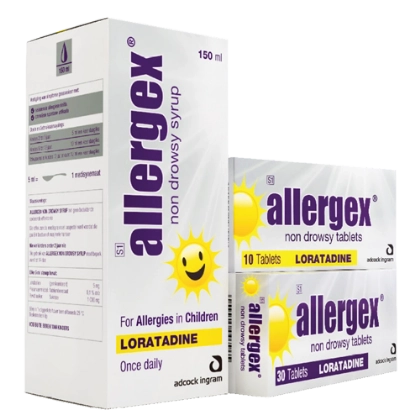
Allergex®