2026/02/10
POLLEN, DUST, AND PET DANDER: HOW TO IDENTIFY AND MANAGE YOUR ALLERGY TRIGGERS
Allergies can make everyday life uncomfortable, by causing sneezing, itchy eyes, congestion, and other bothersome symptoms. Knowing what can cause allergies is the first step in managing allergies effectively. You might have a pollen allergy, dust allergy, or pet dander allergy, and identifying your triggers can help you take proactive steps to reduce exposure and find relief.

UNDERSTANDING ALLERGIES: WHAT CAUSES THEM?
Allergies occur when our immune systems overreact to substances (that are harmless to most people) known as allergens.136
Some of the most common allergens include136:
- Pollen (from trees, grasses, and flowers)
- Dust mites
- Pet dander
- Mold spores
- Insect stings
- Certain foods
In this article, we will focus on three of the most common airborne allergens: pollen, dust, and pet dander.
POLLEN ALLERGIES:
A pollen allergy, often referred to as hay fever or allergic rhinitis, is triggered by microscopic pollen grains released into the air by plant, leading to symptoms such as137:
- Sneezing
- Runny or congested nose
- Itchy eyes, nose, and throat
- Watery eyes
- Fatigue due to disrupted sleep from congestion

HOW TO REDUCE EXPOSURE TO POLLEN
Though it is not always possible or reasonable to completely avoid pollen, there are some things allergy sufferers can do to reduce exposure to it138:
- Monitor Pollen Counts: You can check daily pollen forecasts and stay inside or have windows and doors closed as much as possible when levels are high.
- Keep Windows Closed: Use air conditioning instead of open windows during peak allergy seasons.
- Change Clothes After Being Outside: To prevent pollen from being transferred into your house.
- Shower Before Bed: Washing off pollen prevents it from spreading onto bedding.
- Use a Vacuum Cleaner with HEPA filters.

DUST ALLERGIES: HIDDEN TRIGGERS IN YOUR HOME
A dust allergy is usually triggered by dust mites, tiny creatures that thrive in warm, humid environments. They are commonly found in bedding, carpets, upholstered furniture, and curtains.139.
Symptoms of a Dust Allergy139
- Sneezing
- Stuffy or runny nose
- Itchy, red, or watery eyes
- Coughing or wheezing
- Worsened asthma symptoms

HOW TO MINIMISE DUST EXPOSURE140
- Wash Bedding Weekly: Wash the bedding with hot water to make sure that dust mites are eliminated.140
- Use Allergen-Proof Covers: Encasing pillows and mattresses in dustproof covers can help to reduce dust mite build-up.140
- Vacuum Regularly: Use a vacuum with a HEPA filter to make sure that you capture fine dust particles.140
- Reduce Humidity: Dust mites thrive in humid environments, so try to keep indoor humidity below 50% with a dehumidifier.140
PET DANDER ALLERGIES: MANAGING YOUR ALLERGIES AROUND PETS
For pet lovers, a pet dander allergy can be particularly challenging. Pet allergies are triggered by proteins found in pet saliva, skin flakes (dander), and urine, causing symptoms similar to hay fever or asthma.141
Signs of a Pet Allergy141
- Sneezing and nasal congestion
- Itchy, watery eyes
- Skin rashes or hives after contact with pets
- Difficulty breathing or wheezing (especially for asthma sufferers)

HOW TO REDUCE PET ALLERGENS
Ideally, people with pet allergies should not have pets with feathers or fur.142 If you do, try the following to control the amount of pet dander you're exposed to:
- Keep pets out of bedrooms.
- Wash animal bedding and toys often.
- Have your pets groomed often (wear a mask if you bathe or brush them yourself).
- Vacuum often with an allergy-friendly
- vacuum; these prevent allergens from going back into the air.

MANAGING ALLERGIES: TREATMENT
While avoiding allergens completely is difficult, there are several treatments that can help you manage symptoms:
- Over-the-Counter Treatments136
- Antihistamines
- Nasal Sprays
- Decongestants
- Nasal saline irrigation
- Prescription Treatments136
For severe allergies, a doctor may recommend:- Allergy Shots (Immunotherapy): Gradually exposes the immune system to allergens to build resistance.
- Prescription Medications: Stronger antihistamines, steroids, or bronchodilators for more persistent symptoms.
WHEN TO SEE A DOCTOR
If allergy symptoms persist despite taking preventive measures and using treatments, it may be time to see a doctor.
FINAL THOUGHTS
Allergies can be exceptionally frustrating, but they don't have to control your life. When you understand what can cause allergies and identify if you have a specific sensitivity – like a pollen allergy, dust allergy, or pet dander allergy – you can take steps toward managing it effectively. Reducing allergen exposure and exploring treatment options are both proactive approaches that can help people with managing allergies.
SUFFERING FROM SINUSITIS & ALLERGIES? FIND ANSWERS & RELIEF ON OUR SYMPTOMS PAGE!
EXPLORE BY PRODUCTS
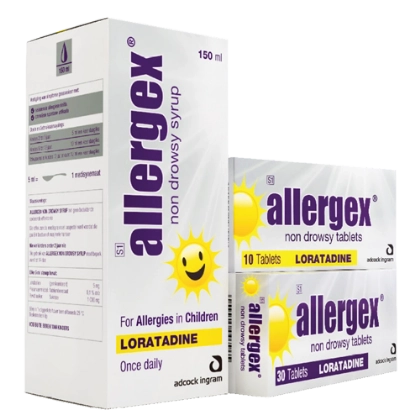
Allergex®